IESImpactEnvironmental Services021 263 6697
Looking down into a tank at heavy sludge banked against a failed liner
Capability 04

Deconstruction

End of life tanks taken down safely. Materials cleared, site left tidy and ready for whatever comes next.

Taking it down

The end of a tank is still a job for specialists

A bolted tank comes apart the way it went up, in order. Pulling one down with a machine and a plan made up on the day is how sites get hurt.

  1. 01

    Controlled strip out

    Taken apart in sequence rather than pushed over. The same knowledge that puts one up is what makes taking one down predictable.

  2. 02

    Contents cleared

    Sludge and residue dealt with before the steel comes down, because what is in the bottom of a tank is usually the actual problem.

  3. 03

    Materials off site

    Steel, liner and fittings cleared away, so you are not left with a pile to organise after we have gone.

  4. 04

    Site left ready

    The pad handed back tidy, whether the next thing on it is another tank or nothing at all.

  5. 05

    Any brand of tank

    Same as everything else we do. It does not matter whose name was on it.

  6. 06

    Nationwide

    Christchurch based, crews on both islands.

On site

What we walk into

End of life tanks are rarely empty and almost never clean. The first question on any takedown is what is still in it.

Looking down into a tank at heavy sludge banked against a failed and stained liner
The state we are usually called to
01

Contents first

Years of settled material against a liner that gave up some time ago. None of the steel moves until this is dealt with, and how it is dealt with depends entirely on what it turns out to be.

Mini excavator working inside a tank shell during a strip out
Controlled strip out
02

Then the steel

A machine inside the shell, working out rather than in. The tank comes apart in the reverse of the order it went together.

Pending from Charles: how materials are disposed of or recycled, and whether that is Impact's job or the client's.Pending from Charles: whether Impact handles contaminated or hazardous contents, and what happens when a tank turns out to hold something notifiable.Pending from Charles: who arranges consenting for a takedown.Pending: more deconstruction photographs. There are two usable ones in the whole library and both are on this page.
Where they go

Five sectors, one set of hands

What changes between a fire water tank and an effluent tank is the liner, the fittings and the compliance around it. The steel gets the same treatment either way.

See the sectors
  • Fire waterSprinkler and fire main
  • PotableCouncils and supply
  • WastewaterEffluent and treatment
  • IndustrialProcess water and product
  • AgricultureWater and effluent
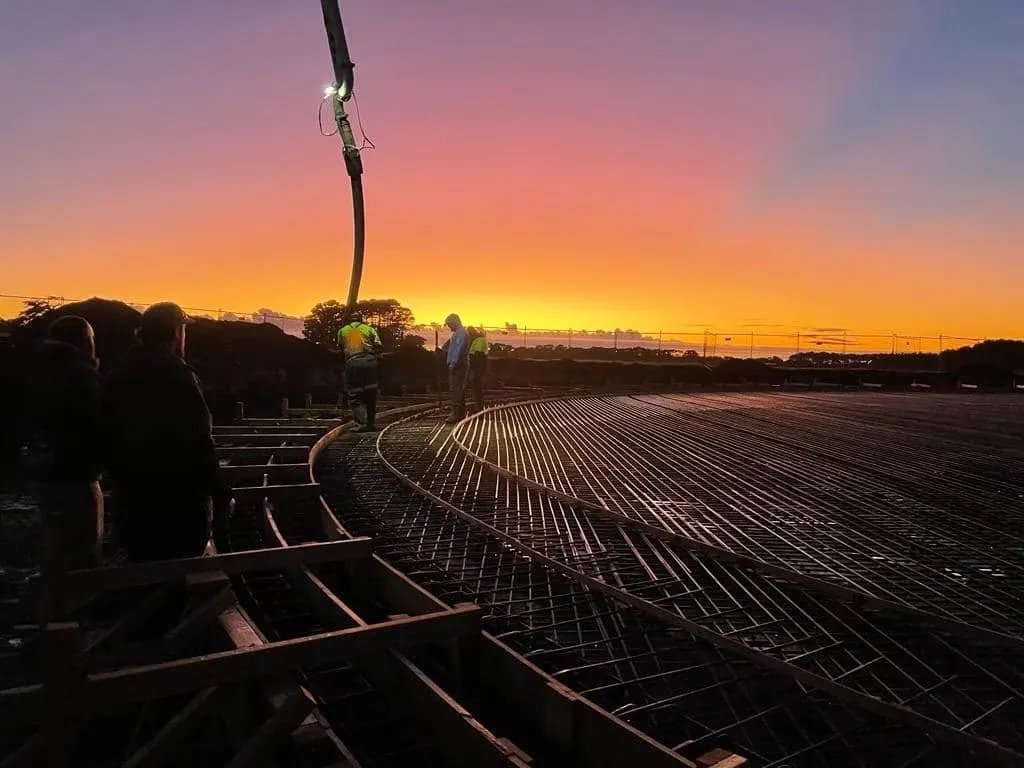
Reinforcing steel laid for a tank foundation at sunset, crew working
Get in touch

Begin with a call

Contact us today to see how our team can assist with your requirements.

Phone021 263 6697
EmailPending: mailbox not set up yet
Form not connected yet: Web3Forms key pending

Until it is wired up, calling is the fast path.

Call 021 263 6697